‏نمایش پست‌ها با برچسب تیسفون. نمایش همه پست‌ها

۱۳۹۵ شهریور ۱۳, شنبه

Sasanian Wall panel, Ctesiphon


Wall panel with wings and a Pahlavi device encircled by pearls; Sasanian, Ctesiphon, 6th A.D.

گچبری دیواری ساسانی که در کاخ تیسفون، پایتخت شاهنشاهی ساسانیان کار شده بود. ساخته شده در قرن ششم مسیحی که اکنون در موزه متروپولیتن نیویورک نگهداری میشود. البته از این طرح گچبری، چند نمونه دیگر که همه به همین شکل و مربوط به تیسفون میباشند، در موزه های مختلف جهان پیدا میشود.
آرم دانشگاه تهران که توسط آقای دکتر محسن مقدم طراحی شده بود، از همین گچبری الهام گرفته است.

Sasanian Wall panel, Ctesiphon 6th A.D.
The Metropolitan Museum of Art


Beginning in the 5th century, monograms became popular motifs used in the mold-made stucco wall panels that decorated the palaces and houses of the Sasanian elite, and many had symbolic meanings. This panel from the iwan (vaulted hall) of a large house at Umm ez-Za’tir, near the Taq-i Kisra at Ctesiphon, features a group of letters in the Persian script and a lunar crescent above symmetrical feathered wings and encircled by pearls: the motif very likely had protective significance. Half palmettes in the corners would have formed a complete design when this panel was placed within an arrangement with other similar ones. An identical panel is in Berlin in the Museum für Islamische Kunst, Staatliche Museen zu Berlin. more

۱۳۹۴ شهریور ۲۳, دوشنبه

پوراندخت ساسانی و چلیپای مسیح

 در روزگار پوراندخت، چلیپا با آیین دینی از تیسفون به اورشلیم برگشت و این در روز ۱۴ سپتامبر ۶۲۹ میلادی بود. (نگاه به اناهیتا، استاد #پورداود ص۳۷۲)


Sasanian Silver drachma of Boran, queen of Iran from ca.630-31


Sept. 14, 629 AD; The restoration of the True Cross to #Jerusalem by Pourandokht (=BŌRĀN), #Sasanian queen. #Persia.


Sasanian Silver drachma of Boran, queen of Iran from ca.630-31, daughter of Ḵosrow II.


See Also / بیشتر بخوانید

The Encyclopædia Iranica, Marie Louise Chaumont:


BŌRĀN (Pers. Pōrān, Pūrān), Sasanian queen, daughter of Ḵosrow II (r. 590, 591-628). There are extant coins of Bōrān dated from the first, second, and third years of her reign (de Morgan, p. 329, fig. 418; Göbl, pls. XII, XV). She ascended the throne in the year that ran from 17 June 629 to 16 June 630, according to Sebēos (p. 28, tr. p. 89) in the spring of 630 following the murder of the usurper Šahrvarāz, though she was not the wife of the latter; rather, she must have been the widow of Kavād II Šērōē/Šīrūya (r. 628; Anonymous Syriac Chronicle, ed. Guidi, p. 30, tr. p. 26). Some authors place her reign at one year and four months, others at one year and six months; Sebēos (p. 28, tr. p. 90) puts it at two years. In fact, Bōrān probably died in the autumn of 631 (cf. Nöldeke, Geschichte der Perser, p. 433), in the third calendar year of a reign that cannot have exceeded a year and a half. According to the Anonymous Syriac Chronicle (loc. cit.) and the Chronicle of Seert (II/2, p. 259), she was strangled. The Chronicle of Seert gives the name of her murderer as Pērōz, general of the Persian army.

صفحۀ  شهبانو پوراندخت ساسانی را در ویکی پدیای فارسی و انگلیسی مطالعه بفرمایید.


۱۳۹۴ مرداد ۱۱, یکشنبه

CTESIPHON (Ṭīsfūn)


CTESIPHON (Ṭīsfūn), ancient city on the Tigris adjacent to the... #Parthian #Sasanian #Iranica


Ctesiphon served as a royal capital of the Iranian empire
in the 
Parthian and Sasanian eras for over eight hundred years.


See More / بیشتر بخوانید:

The Encyclopædia Iranica, Jens Kröger:

CTESIPHON (Ṭīsfūn), ancient city on the Tigris adjacent to the Hellenistic city of Seleucia, ca. 35 km south of the later site of Baghdad. The origin and meaning of the name is unknown (for the forms, see Honigmann, cols. 1102-03; Markwart, Provincial Capitals, pp. 60-61). In the Greek sources it appears as Ktēsiphôn, in Latin Ctesiphon/Ctesifon from the Greek and T(h)esifon or Et(h)esifon, reproducing lo­cal forms. In the Aramaic Talmud (ʾ)qṭyspwn (in Syriac qṭyspwn) occurs. From Iranian texts of the Sasanian period Manichean Parthian tyspwn (or *tysfwn; Henning, pp. 943-44), Pahlavi tyspwn, and Christian Sogdian tyspwn (Sims-Williams, pp. 144, 147-49; Yoshida) are attested. In Arabic texts the name is usually Ṭaysafūn. According to Yāqūt (III, p. 570, IV, p. 446), quoting Ḥamza, the original form was Ṭūsfūn or Tūsfūn, which was arabicized as Ṭaysafūn...

Jens Kröger (born April 21, 1942 in Magdeburg ) is a German art historian specializing in the field of Islamic art.
Growing up in Cairo and Tehran , Kröger first studied art history and classical archeology in Hamburg after graduating from high school in 1964 and went to Berlin in 1966 , where he studied art history, Islamic studies and Near Eastern archeology . In 1978 he received his doctorate with a thesis on Sassanian stucco . From 1985 to 2007 he was curator at the Museum of Islamic Art in Berlin.
  • Annette Hagedorn, Avinoam Shalem (Hrsg.): Facts and Artefacts. Art in the Islamic World. Festschrift for Jens Kröger on his 65th birthday. Brill, Leiden 2007, ISBN 978-90-04-15782-8.


طاق کسری جهانی می‌شود

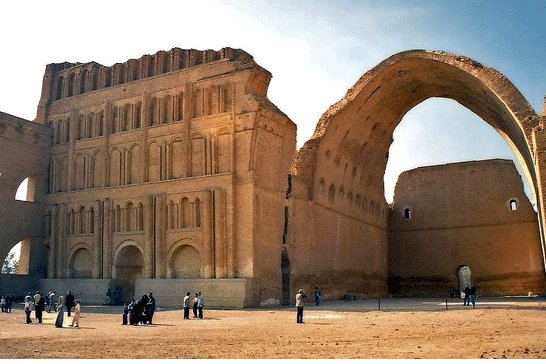
 در سال ۲۰۱۷ با همکاری #ایران و عراق؛ طاق کسری (= ایوان مداین) جهانی می شود. flip.it/AIbbY #ساسانيان

طاق کسری در شهر تیسفون، پایتخت ایران در دورۀ اشکانیان و ساسانیان
مدیرکل دفتر ثبت آثار تاریخی از تشکیل کارگروه مشترک ایرانی و عراقی برای ثبت جهانی ایوان مداین (طاق کسری) خبر داد.
فرهاد نظری به خبرنگار مهر گفت: معاونت میراث فرهنگی وزارت گردشگری عراق در همکاری با سازمان میراث فرهنگی، تفاهمنامه ای امضا کردند که یکی از اقدامات اجرایی مربوط به آن ـ که در حال نهایی شدن است ـ مربوط به طاق کسری است. قرار شده تا ایوان مداین یا طاق کسری با همکاری ایران و عراق جهانی شود.
وی ادامه داد: عراق در نظر دارد تا قبرستان وادی السلام را در سال ۲۰۱۶ و طاق کسری را در سال ۲۰۱۷ ثبت جهانی کند و از آنجا که طاق کسری یک اثر تاریخی ایرانی در خاک عراق است، کارگروهی برای این منظور تشکیل شده تا ایران به عراق در تهیه پرونده ثبت جهانی کمک کند. چرا که طاق کسری مهمترین بنای مربوط به تاریخ و فرهنگ ایران است.
تیسفون نام یکی از پایتخت‌های باستانی ایران است که در کشور عراقِ امروزی جای گرفته است. این شهر در دوران اشکانیان به عنوان پایتخت غربی ایران در منطقه میان‌رودان ساخته شد و در دوران ساسانی ارزش خود را به عنوان مرکز نیروی سیاسی و اقتصادی نگه داشت. پس از حمله اعراب به ایران، شهر تیسفون به تاراج رفت و رفته‌رفته متروکه شد.
در سال ۹۰ پیش‌نویس تفاهم‌نامه‌ای در حوزه میراث‌فرهنگی و آثار باستانی نوشته شد و ایران پیشنهادی را مبنی بر حفاظت از این اثر تاریخی به دولت عراق داد که مورد استقبال قرار گرفت. در این تفاهم‌نامه که از سوی حسن موسوی رئیس وقت سازمان میراث‌فرهنگی‌، گردشگری و صنایع‌دستی در حوزه میراث‌فرهنگی و آثار باستانی ارائه شد تاکید شده بود که جمهوری اسلامی ایران می‌تواند بیشترین کمک را به موضوع مرمت آثار تاریخی داشته باشد و این در تفاهم نامه پیشنهادی گنجانده شد.