‏نمایش پست‌ها با برچسب ساسانیان. نمایش همه پست‌ها

۱۴۰۲ اردیبهشت ۱۵, جمعه

پیکرۀ شاپور اول در غار شاپور

پیکرۀ شاپور اول، شاهنشاه #ساسانی (۲۳۹ تا ۲۷۰ م.) در غار شاپور، بیشاپور، فارس. این پیکرۀ بزرگ و بسیار ارزشمند (با حدود ارتفاع ۷ و پهنای شانه‌های ۲ متر) که بیش از هزار سال به خاک افتاده بود در سال ۱۳۳۶ خورشیدی به کوشش نیروهای ارتش ایران دوباره پابرجا گردید. #هنر_ساسانی #آثار_ملی
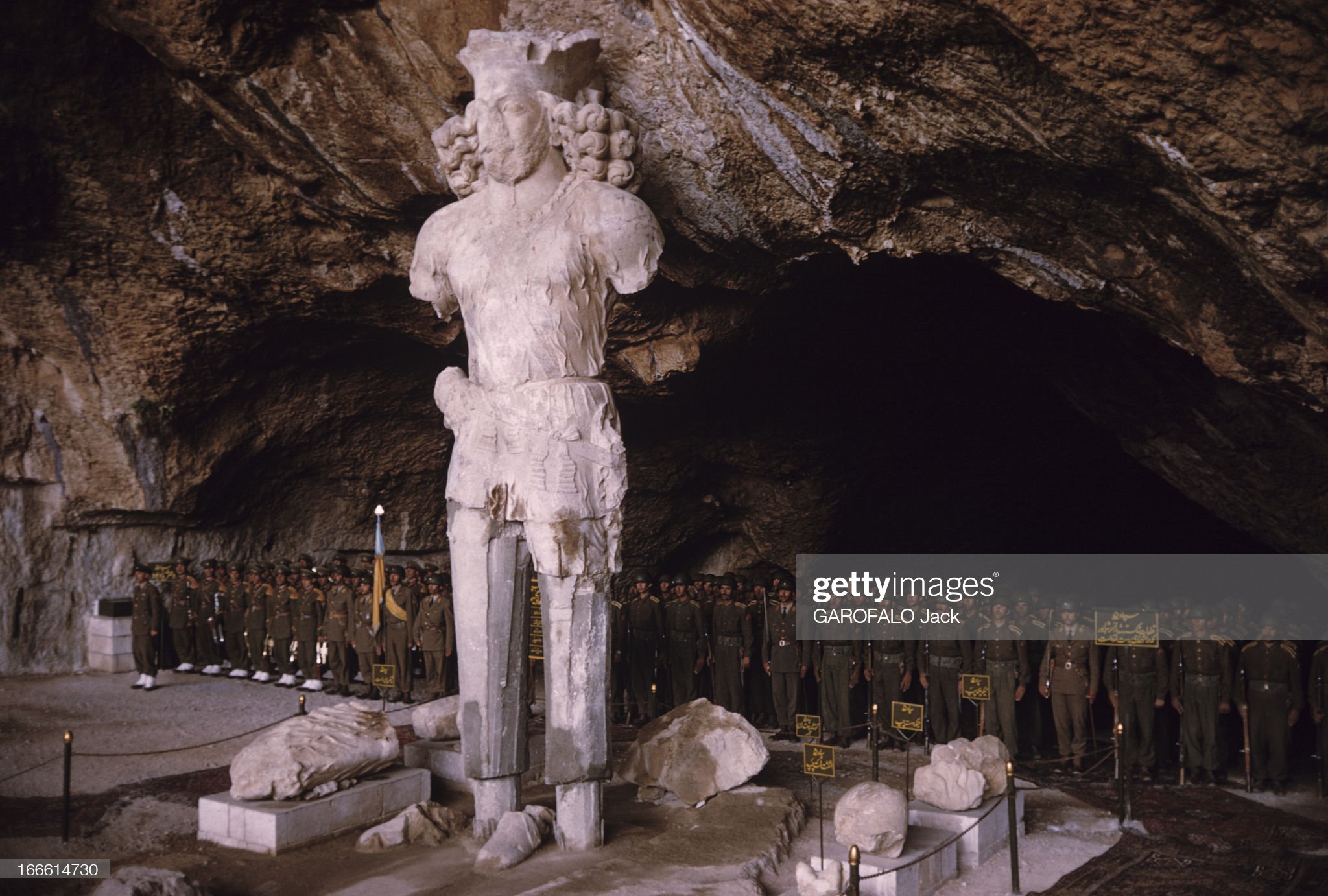
پیکرۀ شاپور اول، شاهنشاه ساسانی در غار شاپور، بیشاپور، فارس

See Also / بیشتر بخوانید

برای آگاهی بیشتر دربارۀ شاپور اول شاهنشاه ساسانی و این پیکرۀ بزرگ از او در غار شاپور به دو مدخل زیر در دانشنامۀ ایرانیکا مراجعه فرمایید:

The Encyclopædia Iranica, Shapur Shahbazi: 

ŠĀPUR I, second Sasanian king of kings (r. 239-70) and author of several rock-reliefs and the trilingual inscription on the walls of the so-called Kaʿba-ye Zardošt [ŠKZ]...

The Cave of Shapur. Head, Hair, and Body of the Great Statue of Shapur I (Photo, G. Reza Garosi)

The Encyclopædia Iranica, G. R. GAROSI: 


The Great Statue
The great statue of Shapur (Šāpūr) I stands in the so-called cave of Shapur, a huge limestone cave in southern Iran (Figure 1), about 6 km from the ancient city of Bišāpur. The cave of Shapur contains two different sectors. Sector A encompasses the entrance area of the cave and has five wide man-made terraces. The statue of Shapur I, situated circa 35 meters from the cave’s entrance, stands on the fourth terrace of the sector A. Sector B is a huge hall with several corridors...

صفحۀ شاپور اول در ویکیپدیای فارسی
صفحۀ غار شاپور در ویکیپدیای فارسی

۱۴۰۲ فروردین ۲۹, سه‌شنبه

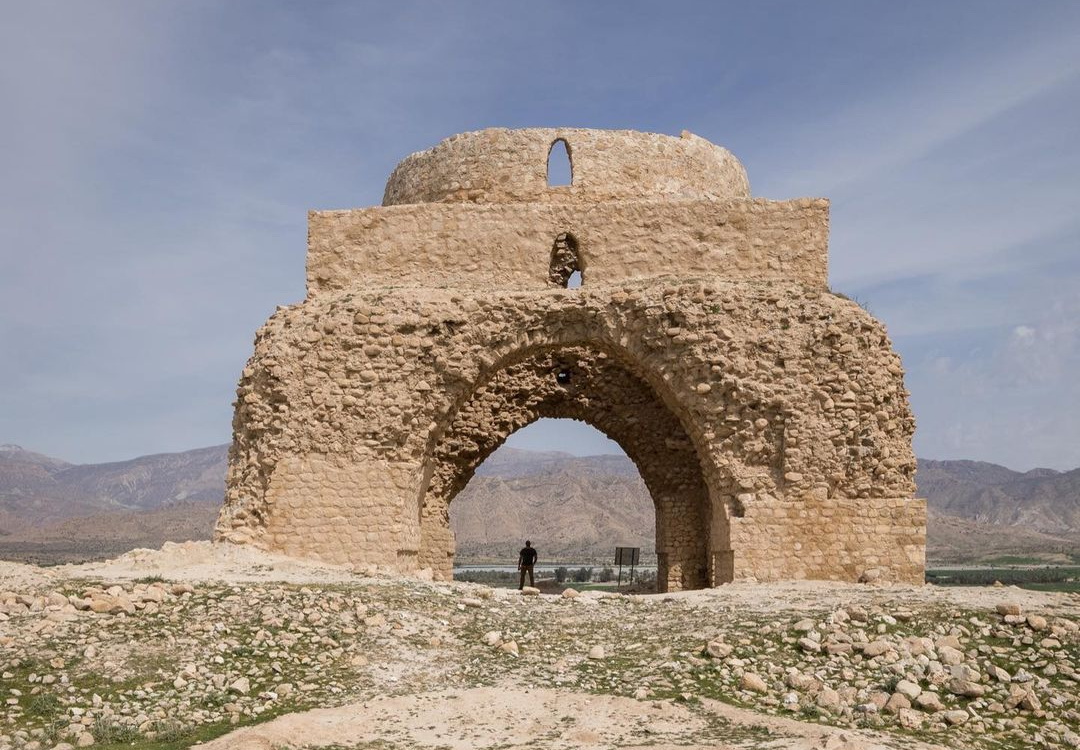
آتشکدۀ جره

نمایی از آتشکدۀ بزرگ جره (Jereh) در روستای بالاده، کازرون، فارس؛ بگفتۀ تاریخ طبری این آتشکده (چهارطاقی) یکی از پنج آتشکده‌ایست که مهرنَرسه وزیر بزرگ شاهنشاهی #ساسانی (به پهلوی: wuzurg framādār) در ناحیۀ دشت بارین و جره (=گره) ساخته است. #هنر_ساسانی #آتشکده_گره (عکس از الهام اسدی)

آتشکدۀ بزرگ جره (Jereh) در روستای بالاده، کازرون، فارس

https://twitter.com/iranologyscty/status/1648364485176967170

۱۴۰۰ مرداد ۱۱, دوشنبه

بیشاپور


نمایی از شهر باستانی بیشاپور (Bīšāpūr) که به دستور شاپور اول شاهنشاه ساسانی در حدود سال ۲۶۶ میلادی ساخته شد. تصویر از salfbase #ساسانیان #بیشاپور

BĪŠĀPŪR, ancient town in Fārs, in the Sasanian period, 266 A.D.

برای آگاهی بیشتر مدخل «Bīšāpūr» در ایرانیکا و مخصوصاً کتابشناسی و ارجاعات آن را ملاحظه بفرمایید.

See Also / بیشتر بخوانید

The Encyclopædia Iranica, Edward J. Keall:


BĪŠĀPŪR, ancient and medieval town in Fārs, in the Sasanian period the administrative center of one of the five districts in the province of Fārs. The name of the city derives from Middle Persian Bay-Šāpūr “Lord Šāpūr” (for a dis­cussion of the name see Sundermann, pp. 294-95)...

تصویر از تارنمای منظر باستانشناسی ساسانی فارس گرفته شده است. در این تارنما تصاویر بسیار خوبی از شهر بیشاپور و نقوش برجستۀ اطراف آن و غار شاپور و مجموعۀ فیروزآباد و سروستان به همراه توضیحات آن به زبان فارسی در اختیار دوستداران قرار گرفته است. آدرس این تارنما:

این یکی از بهترین راهها برای شناسایی تمدن و فرهنگ ساسانیان به نسل امروز ایران و همۀ جهانیان است.


۱۳۹۷ دی ۷, جمعه

ابریشم سغدی


Woven silk consisting of two roundels containing a confronted pair of lions, palm-trees, foxes, hounds, and other symbols. Iran or Central Asia (probably, made), 800-1000 AD, Sasanian or Sogdian textiles. (V&A Museum)

ابریشم بافته شده از هنر سغدی با تاثیر از هنر ساسانی، که شامل جفت شیرها، درختان نخل، روباه، سگهای شکاری و سایر نمادها است. این قطعه ابریشمی در ایران یا آسیای میانه در سالهای ۸۰۰ تا ۱۰۰۰ مسیحی بافته شده و هم اکنون در موزه ویکتوریا و آلبرت بریتانیا نگهداری میشود.


Sasanian or Sogdian Woven silk, Iran or Central Asia (probably, made), 800-1000 AD.


۱۳۹۷ مهر ۱, یکشنبه

شاهنشاه ساسانی در حال شکار قوچ


بشقاب نقش برجستۀ هنر ساسانی که شاهنشاه را در حال شکار قوچ نشان میدهد و در نیمۀ قرن پنجم تا نیمۀ قرن ششم مسیحی از جنس طلا و نقره در ایران ساخته شده است.

Plate with king hunting rams, Iran, Sasanian, mid-5th–mid-6th C., Silver and mercury gilding. The Sasanian king on this plate has various royal attributes: a crown and fillet, covered globe, nimbus with beaded border, and beaded chest halter with fluttering ribbons. (metmuseum)

Sasanian Plate with king hunting rams, Iran, mid-5th–mid-6th C.


۱۳۹۷ تیر ۱۴, پنجشنبه

Sasanian or Sogdian Winged Horses


An impressive Sasanian or Sogdian silk with two large roundels with pearl borders containing large winged horses; Iran or Central Asia, 8th century. (Christie's)

اسب بالدار زیبای شاهنشاهی ساسانی در میان حلقه‌های مروارید که در قرن هشتم مسیحی با ابریشم بافته شده و در حراج کریستی بفروش گذاشته شده است.

Sasanian or Sogdian Winged Horses, Silk, Iran or Central Asia, 8th c.

۱۳۹۶ دی ۱, جمعه

۱۳۹۶ مهر ۲۷, پنجشنبه

۱۳۹۶ مهر ۵, چهارشنبه

Sasanian seal depicting Mithra


Eastern Sasanian seal depicting Mithra, late 4th or 5th centuries. (British Museum)

مهر ساسانی با نقش ایزد مهر(=میترا)،  قرن چهارم یا پنجم مسیحی که در موزه بریتانیا نگهداری می شود.

Sasanian seal depicting Mithra.

September 27, 2017 at 09:12PM

۱۳۹۶ مهر ۲, یکشنبه

Sasanian king Ardašīr II between Mithra and Ahuramazda


Mithra stands behind Sasanian king Ardašīr II (r. 379-384) who receives kingship from Ahura Mazda; Ṭāq-e Bostān, Iran. 
نقش برجسته ساسانی در طاق بستان (قرن چهارم مسیحی)، اردشیر دوم شاهنشاه ساسانی، حلقۀ شاهی را از اهورامزدا میگیرد در حالیکه ایزد مهر در پشت سر او ایستاده است.

September 24, 2017 at 02:45PM

۱۳۹۶ شهریور ۱۶, پنجشنبه

Sasanian and Sogdian design traditions

Sasanian and Sogdian design traditions
Fragment of a samitum-woven textile, silk (Sasanian and Sogdian design traditions); Eastern Iran or Central Asia, 8th-9thC. (DAVID MUSEUM)
سنت های طراحی ساسانی و سغدی
See Also / بیشتر بخوانید 
The Encyclopædia Iranica, Markus Mode:

http://www.iranicaonline.org/articles/sogdiana-vi-sogdian-art

SOGDIANA
Sogdian art is primarily the art of the inhabitants of Sogdiana (Sogd, Sogdia) in pre-Islamic times. Its development and apogee was limited to four or five centuries before and during the Muslim conquest of Transoxania. more

September 07, 2017 at 02:52PM

۱۳۹۶ مرداد ۲۵, چهارشنبه

The Sasanian Palace near Sarvestān


The "Sasanian" Palace (Bahrām V Gōr, reigned from 420 to 438 CE) near Sarvestān, Fārs province, Iran.
کاخ بهرام پنجم (=بهرام گور)، شاهنشاه ساسانی در نزدیکی سروستان، استان فارس، ایران.

The "Sasanian" Palace (Bahrām V Gōr, reigned from 420 to 438 CE)


See Also / بیشتر بخوانید 

SASANIKASARVISTĀN
Some 90 km southeast of Shiraz towards Fasā and about 10 km south of the town of Sarvistān, there is an enigmatic building of Sasanian period alternatively described as a fire-temple, a pavilion, a mansion, a hunting lodge, a sanctuary, or even a palace. The building dominates the surrounding plain around which one can see traces of buried structures yet to be excavated.


August 16, 2017 at 06:13PM

۱۳۹۶ تیر ۲۷, سه‌شنبه

Sasanian horse


Head of a horse; Sasanian, 4th century AD, Kerman region, Iran, Gilded silver. (Louvre Museum)

مجسمه سر اسب (اسب سلطنتی ساسانی؟) از طلا و نقره، مربوط به دوره ساسانی، قرن چهارم مسیحی، یافته شده در کرمان، ایران، که در موزه لوور نگهداری میشود.

Head of a horse; Sasanian, 4th century AD

July 18, 2017 at 07:54PM

۱۳۹۶ اردیبهشت ۲۵, دوشنبه

Sasanian Bronze statuette


Bronze statuette of a standing king; Said to be from Iran, Early Sasanian, 4th - 5th century, H 18.5 cm. (British Museum) 

Sasanian Bronze statuette, 4th - 5th century.

https://twitter.com/iranologyscty/status/864126106085076993
May 15, 2017 at 07:01PM

۱۳۹۶ اردیبهشت ۱۳, چهارشنبه

Sasanian King of Kings Shapur II


Dish with King of Kings Shapur II (309-379) hunting lions; Iran, Sasanian, Between 310 and 320 CE, Silver, D: 22.9 cm. (Hermitage Museum) 

بشقاب نقره با نقش شاپور دوم شاهنشاه ساسانی در حال شکار شیر، مربوط به دوره ساسانی و ساخته شده در قرن سوم مسیحی که در موزه آرمیتاژ نگهداری میشود.
May 03, 2017 at 07:14PM

۱۳۹۶ فروردین ۲۹, سه‌شنبه

Sasanian Horse-Shaped Drinking Vessel


Horse-Shaped Drinking Vessel; Iran, Sasanian, 3rd-4th Century, silver, partially gilt. (Cleveland Museum) Royal horse?

Sasanian Horse-Shaped Drinking Vessel, 3rd-4th Century.

The horse was a favorite artistic subject in ancient Iran, where horsebreeding flourished. This muscular Sasanian stallion was descended from the royal and sacred Nisean breed of the Achaemenian Persians.
Although Sasanian horse-trappings were elaborate, they did not include stirrups for mounting. In this rendition, the steed lies still, as camels in the Near East do today, waiting for its rider to mount. The medallions on each shoulder contain busts, perhaps of rulers of different parts of the Sasanian Empire, holding their rings of authority.


April 17, 2017 at 11:48PM

۱۳۹۶ فروردین ۹, چهارشنبه

۱۳۹۶ فروردین ۳, پنجشنبه

۱۳۹۵ اسفند ۲۶, پنجشنبه

۱۳۹۵ اسفند ۲۳, دوشنبه